How Varied Payment Solutions Transform User Entry Points for Casino Tables and Racecourse Betting
Written by Nils Schwarz · Jun 16, 2026
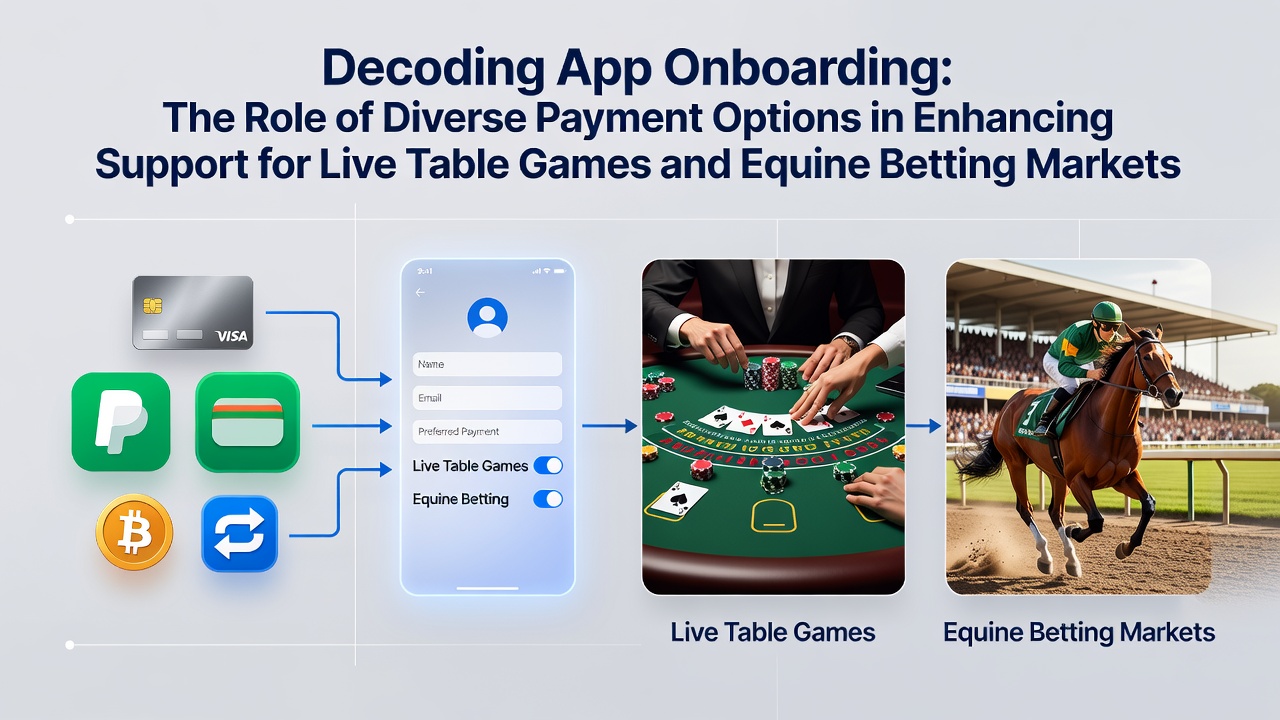
How Varied Payment Solutions Transform User Entry Points for Casino Tables and Racecourse Betting
App developers have refined onboarding sequences to accommodate diverse transaction methods, and this adjustment directly influences how users access live dealer environments along with thoroughbred wagering platforms. Data collected across multiple jurisdictions shows that platforms offering credit cards, e-wallets, bank transfers, and cryptocurrency options complete registration flows faster than those limited to single methods. Observers note registration completion rates climb when users select familiar payment tools during the initial setup phase, which reduces drop-off before any betting activity begins.
Streamlined Registration Flows and Transaction Choices
Operators integrate several payment gateways at the point of account creation, allowing applicants to verify identity and fund accounts in one continuous process. Studies conducted by research teams in North America indicate that users who link digital wallets during onboarding return to platforms more frequently within the first thirty days compared with those who complete only basic profile fields. As of June 2026, industry figures reveal that applications supporting instant verification through payment rails achieve higher activation levels, because funds become available without separate deposit steps after approval.
Payment variety also supports regulatory compliance requirements in different regions, since certain methods carry built-in identity checks that align with local standards. Those who manage platforms report fewer support tickets related to funding delays when multiple options appear early in the sequence.
Effects on Live Dealer Participation
Live table game sections depend on rapid funding because sessions often run in real time with dealers and other participants. Applications that embed instant payment confirmation during onboarding enable users to join tables without exiting the flow to handle deposits separately. Evidence from platform analytics demonstrates that tables featuring blackjack, roulette, and baccarat see increased concurrent players when new accounts activate with pre-linked transaction methods.
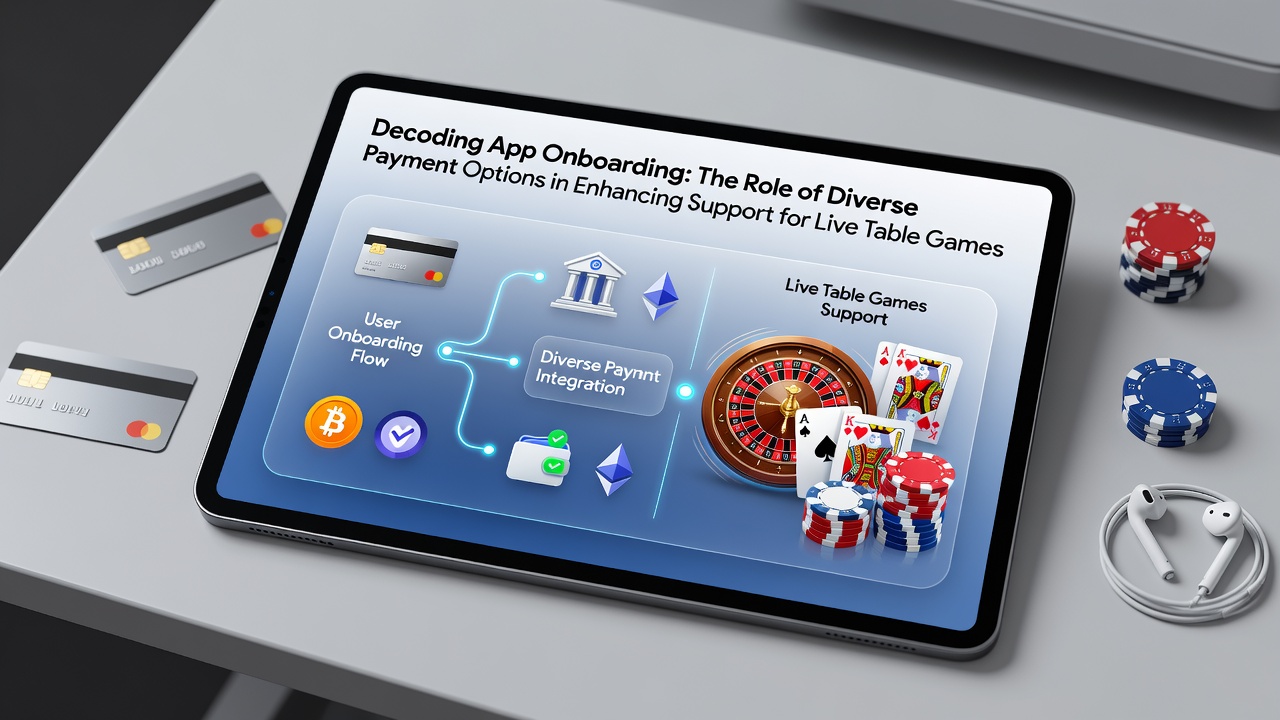
Researchers tracking user behavior across several operators found that diverse payment support correlates with longer average session durations in live environments. The connection arises because players avoid interruptions to add funds mid-game. In markets where cryptocurrency options exist alongside traditional cards, participation in high-stakes live tables rises during evening peak hours, according to aggregated usage reports.
Support for Equine Betting Markets
Horse racing applications face distinct timing pressures because race schedules follow fixed calendars and odds shift quickly before post time. Onboarding that includes direct bank or wallet integration lets bettors place wagers on upcoming races immediately after account verification. Figures released by racing authorities in Australia show elevated handle volumes on platforms that permit multiple funding sources at signup, particularly for exotic bet types that require larger stakes.
Equine markets also benefit when users can switch between payment types without leaving the app, since trackside conditions or mobile data constraints sometimes affect certain transaction processors. Observers tracking June 2026 race meets documented steadier betting volumes on events when apps presented payment alternatives during initial setup rather than after login.
Technical Implementation Patterns
Developers embed modular payment modules that activate based on user location and preferred currency, which keeps onboarding interfaces uncluttered while still offering breadth. Case reviews of successful deployments indicate that conditional display of options, triggered by detected device region, improves completion metrics without overwhelming new users. Integration with third-party verification services tied to payment networks further accelerates the process, because identity documents upload once and serve both account creation and funding approval.
Platform teams maintain logs that reveal which methods users select first during onboarding, and these insights guide future menu ordering. Data from such tracking shows e-wallet selections often precede card entries in regions with strong mobile payment adoption, while bank transfers remain common where regulatory emphasis rests on traceable funds.
Cross-Regional Observations
Analyses prepared by the Victorian Responsible Gambling Foundation highlight how payment diversity during onboarding aligns with harm minimization tools in certain Australian states. Similar patterns appear in Canadian provincial reports, where operators that surface local banking options early record smoother transitions for users entering both casino and racing sections. These findings underscore that localized payment support reduces friction across market types rather than favoring one over the other.
Additional research compiled by the American Gaming Association examines how varied transaction rails assist compliance with state-specific rules while maintaining user momentum through registration. The combined evidence points to measurable gains in activation speed and subsequent engagement when payment flexibility forms part of the core onboarding design.
Conclusion
Payment options embedded at the onboarding stage create direct pathways into live table sessions and equine betting markets. Platform data and regulatory summaries from multiple regions confirm that completion rates, session lengths, and initial activity volumes improve when users encounter familiar transaction methods early. Continued refinement of these sequences supports broader access while meeting compliance expectations across jurisdictions.