Mapping Intuitive Pathways in Converged Mobile Betting Ecosystems for Football Analytics, Equine Performance Tracking, and Casino Entertainment with Optimized Deposit Systems
Written by Drew Schröder · May 21, 2026
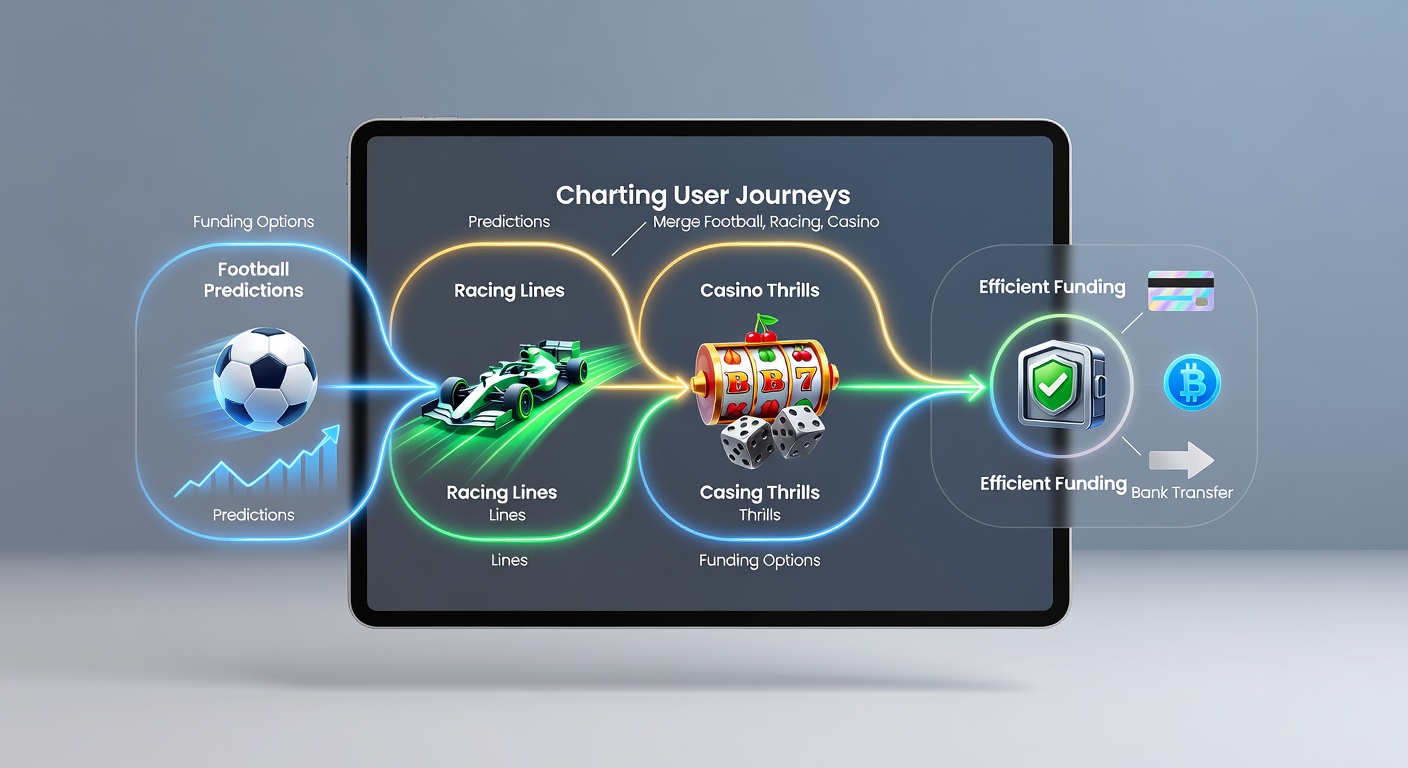
Mapping Intuitive Pathways in Converged Mobile Betting Ecosystems for Football Analytics, Equine Performance Tracking, and Casino Entertainment with Optimized Deposit Systems
Integrated mobile platforms have evolved to combine football predictions, racing lines, and casino elements within single interfaces, and observers note that these systems rely on carefully mapped user journeys to maintain engagement across diverse features. Data from industry reports indicate that streamlined funding mechanisms play a central role in reducing friction during transitions between sports analytics and gaming options, while app developers focus on logical sequencing of screens to guide participants through initial deposits toward predictive tools and live tables.
Initial Access and Funding Integration
Users typically enter these applications through simplified registration flows that prioritize quick verification steps followed by immediate access to deposit gateways. Research from the European Gaming and Betting Association highlights how efficient payment processors connect directly to prediction dashboards, allowing seamless movement from funding confirmation to football match insights without intermediate redirects. Those who study interface design point out that incorporating multiple funding choices, such as digital wallets alongside bank transfers, supports varied user preferences while maintaining transaction security protocols that align with regional standards.
As of May 2026, platform updates have introduced predictive funding suggestions based on prior activity patterns, which help anticipate needs for upcoming racing events or casino sessions. This approach connects account balances to real-time odds displays, creating fluid progression from deposit completion to active engagement in multiple verticals simultaneously.
Football Prediction Navigation Flows
Once funded, the journey shifts toward football analytics sections where users encounter layered data visualizations that merge team statistics with live odds adjustments. Analysts have documented that successful interfaces present these elements in expandable panels, enabling quick switches between match previews and accumulator builders without losing context from the main dashboard. Evidence suggests that color-coded pathways guide attention toward high-probability selections, while integrated chat features provide contextual support during decision points.
Transitions to other sections occur through persistent navigation bars that remain accessible at screen edges, preserving momentum when users decide to incorporate racing lines into their sessions. This design reduces cognitive load by keeping core controls visible throughout the experience.
Incorporating Racing Lines and Performance Data
Racing components appear as dedicated modules that display track conditions alongside horse performance metrics, and experts observe that these integrate smoothly with existing football prediction views through tabbed layouts. Participants often discover that selecting a racing line automatically adjusts funding allocation tools to reflect potential stakes, maintaining consistency across different betting categories. Studies from academic sources on digital entertainment interfaces reveal that such cross-referencing features enhance retention when users explore equine events immediately after football sessions.
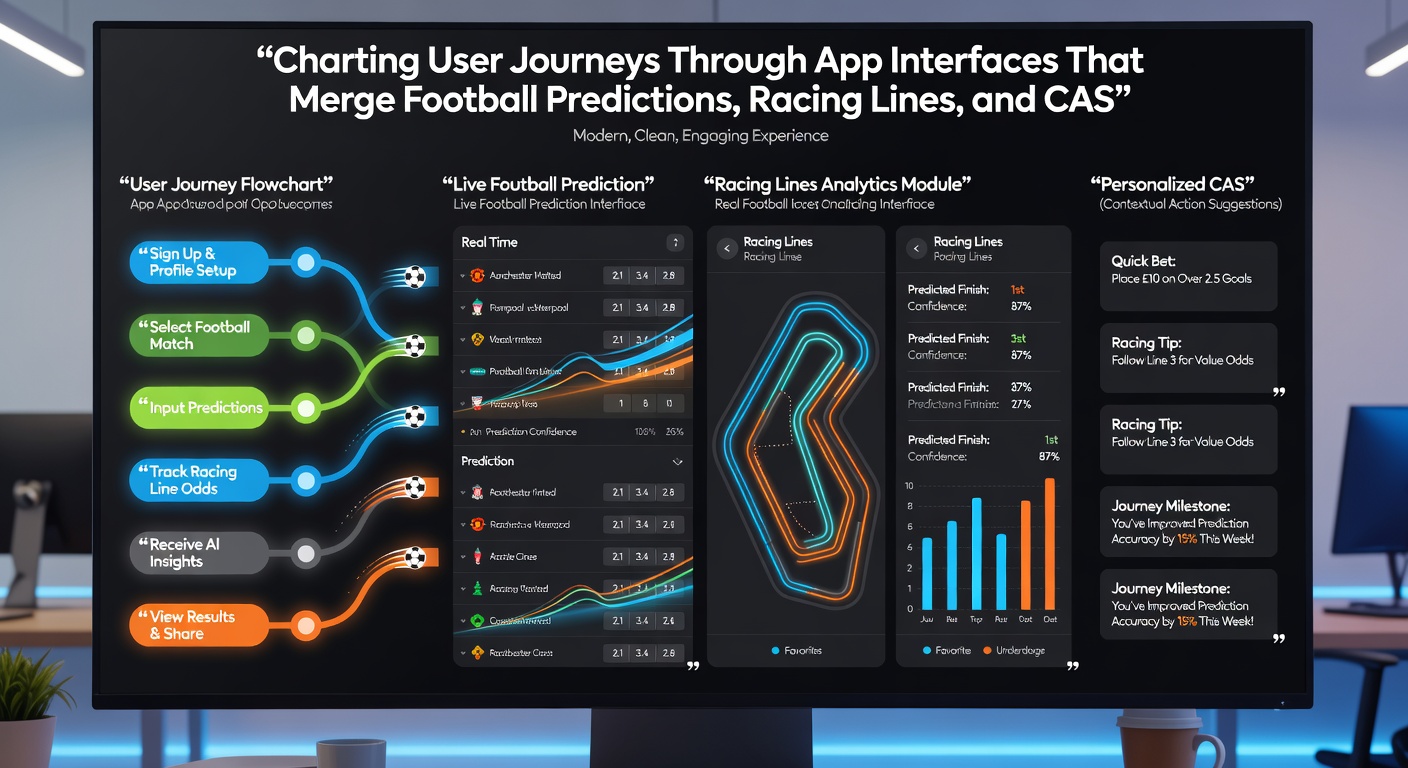
Funding efficiency remains evident here as well, since balance updates reflect instantly across modules, allowing adjustments without exiting the current screen. Observers note that this continuity supports extended sessions where users combine racing insights with other entertainment options available in the same environment.
Casino Thrills and Unified Session Management
Casino sections connect via direct links from both sports areas, presenting live dealer options and slot interfaces that inherit user preferences established earlier in the journey. Data indicates that efficient funding options extend to these areas through one-tap top-ups triggered by game selections, which minimizes interruptions during high-engagement moments. Industry analyses show that unified session histories track activity across football, racing, and casino elements, providing comprehensive overviews that inform future navigation choices.
Support elements surface contextually during these phases, offering assistance with game rules or funding queries without requiring separate menu access. This layered approach ensures that users maintain focus on entertainment while technical processes operate in the background.
Conclusion
Overall patterns in these applications demonstrate that effective user journeys depend on interconnected design choices that prioritize funding accessibility alongside feature integration. Reports from organizations such as the American Gaming Association underscore how such structures support broader participation trends observed in digital entertainment markets. Further examination of interface evolution continues to reveal refinements that align with emerging user expectations across combined sports and casino platforms.