Support Networks Behind the Screens: Resolving Payment Hurdles During Mobile Onboarding for Racing Odds and Live Game Features
Written by Jordan Schwarz · Aug 27, 2026
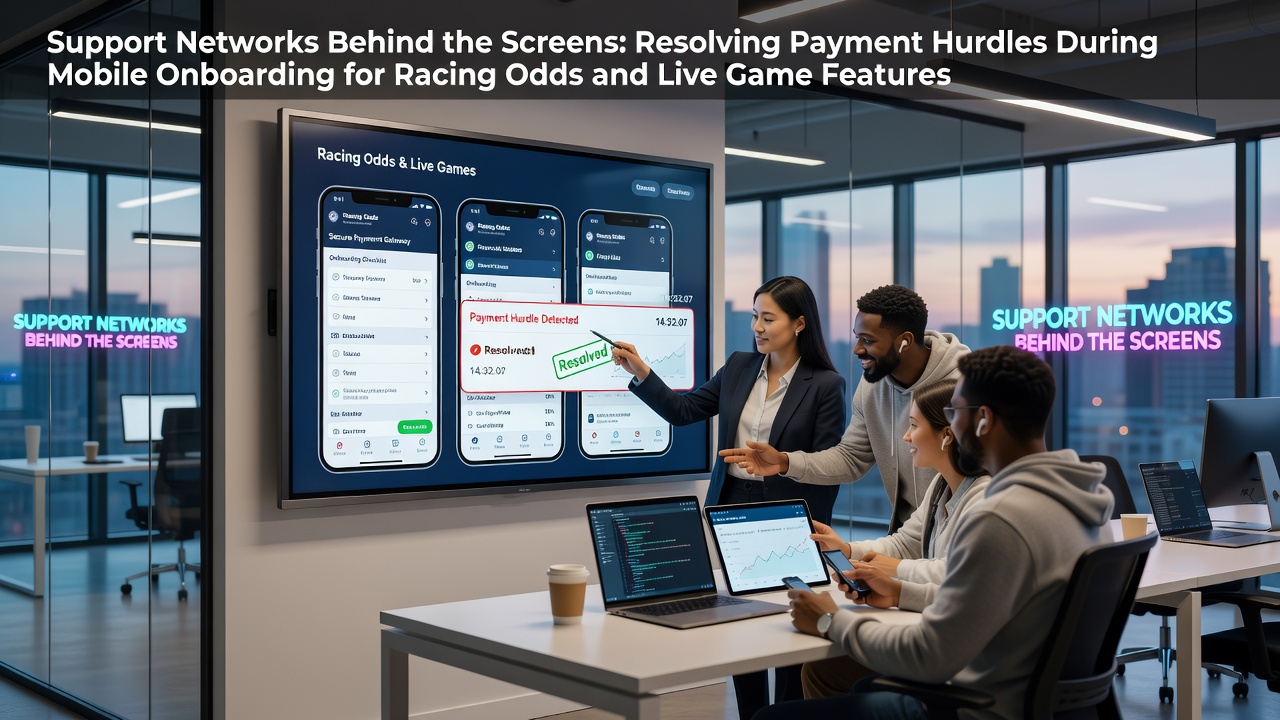
Support Networks Behind the Screens: Resolving Payment Hurdles During Mobile Onboarding for Racing Odds and Live Game Features
Payment processing stands as a critical step in mobile onboarding for platforms that offer racing odds and live game features, where users encounter verification delays, declined transactions, and currency mismatches that can stall access to real-time betting options. Observers note that these hurdles often arise from security protocols, regional banking restrictions, and the need for rapid identity confirmation, which support networks address through coordinated responses across chat, email, and phone channels. Data from industry reports shows that streamlined assistance during this phase correlates with higher completion rates for account setup, particularly when users seek to engage with live dealer tables or dynamic race odds immediately after registration.
Common Payment Obstacles in Mobile Betting Flows
Users frequently report issues such as e-wallet authentication failures or credit card holds that extend beyond standard processing times, especially when platforms integrate live updates for horse racing events or casino-style games requiring instant deposits. These challenges intensify during peak periods, when simultaneous onboarding attempts strain backend systems and trigger additional fraud checks. Researchers have documented that support staff resolve many cases by guiding users through alternative payment methods like prepaid cards or bank transfers, which maintain compliance with varying international standards while preserving access to racing odds feeds and live game streams. And yet the process demands precise coordination because unresolved payments block feature activation, leaving users unable to place stakes on upcoming races or join dealer tables mid-session.
Support Structures That Intervene Directly
Behind every successful transaction sits a network of trained specialists who monitor incoming queries in real time, drawing on centralized knowledge bases to diagnose problems ranging from expired verification links to mismatched billing addresses. Those who study user behavior patterns find that dedicated teams often initiate proactive outreach via in-app notifications when a deposit attempt fails, providing step-by-step instructions that restore functionality without requiring full re-registration. This approach proves especially valuable for features that rely on continuous data streams, such as updating race odds or maintaining live game integrity, where delays can result in missed opportunities. In August 2026, platform analytics indicated a measurable uptick in resolved cases following the rollout of multilingual support scripts tailored to cross-border users accessing racing and live entertainment options.
Integration of Technology and Human Oversight
Automated systems flag common errors like insufficient funds or regional blocks, then route complex cases to human agents equipped with tools that simulate user interfaces for faster troubleshooting. People who manage these operations emphasize the value of combining AI-driven diagnostics with personal follow-up, which reduces average resolution time from hours to minutes in many documented instances. Observers have noted that this hybrid model supports seamless transitions into live game environments, where payment confirmation unlocks immediate participation in dealer-led sessions or real-time race betting interfaces. What's more, platforms incorporate feedback loops that update internal protocols based on recurring issues, ensuring future onboarding flows encounter fewer friction points around payment gateways.
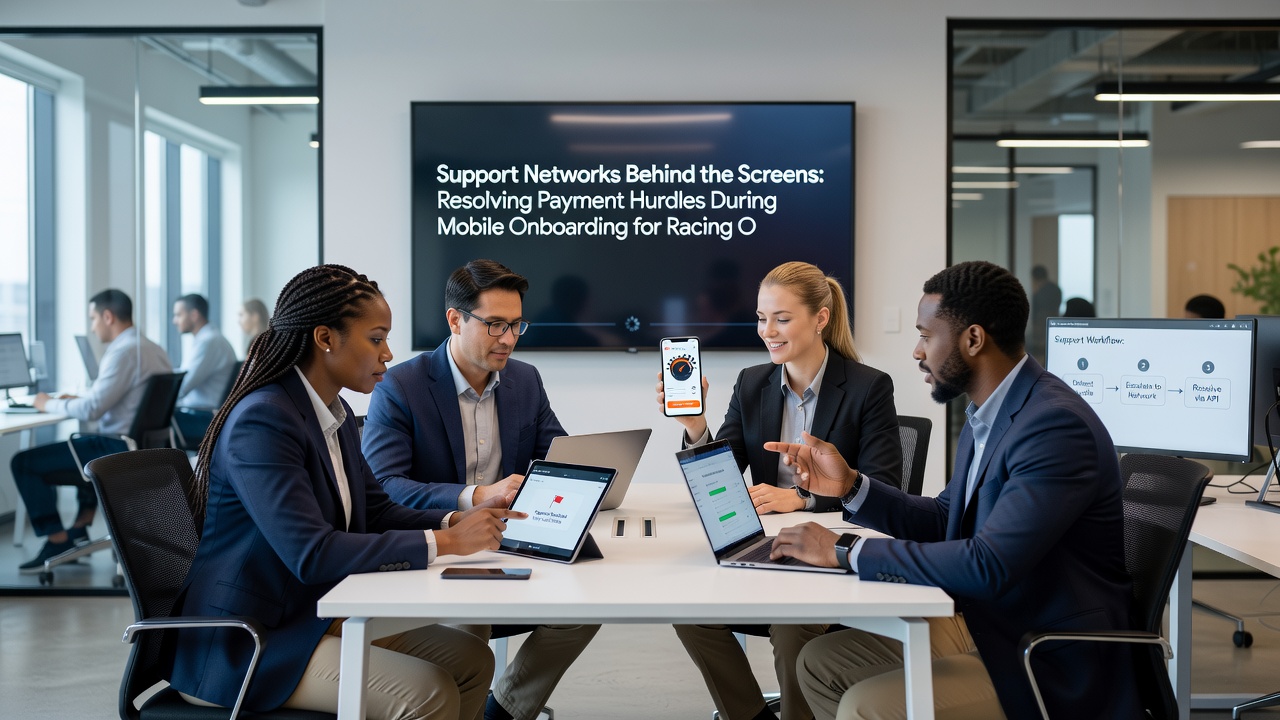
Regional Variations and Regulatory Influences
Payment support strategies differ across jurisdictions because banking regulations and licensing requirements shape which methods platforms can promote during onboarding. According to figures from the National Council on Problem Gambling, North American operators have adopted standardized verification timelines that help users navigate racing odds platforms and live game lobbies more efficiently. Meanwhile, Australian regulatory summaries highlight the role of consumer protection guidelines in mandating transparent communication about processing fees, which support networks reference when assisting with international card transactions. These variations create a landscape where localized knowledge becomes essential for agents handling queries from diverse user bases seeking quick entry to dynamic betting features.
Industry organizations such as the Victorian Responsible Gambling Foundation compile reports that track how support interventions affect retention rates for mobile users focused on live racing events and interactive dealer experiences. Data reveals that platforms investing in round-the-clock assistance see fewer abandoned accounts, particularly when agents possess expertise in both technical payment systems and the specific demands of real-time odds tracking or game streaming.
Future Developments in Assistance Protocols
As mobile technology advances, support networks continue to refine protocols that anticipate payment hurdles before they disrupt access to racing odds or live game sessions. Training programs now incorporate scenario-based exercises drawn from actual user interactions, allowing agents to address emerging issues like cryptocurrency verification or biometric authentication errors with greater precision. Those who analyze platform performance data observe steady improvements in onboarding success metrics when support teams collaborate across departments to align payment solutions with feature availability. This ongoing evolution ensures that users encounter fewer interruptions when moving from initial deposit to active engagement with live dealer tables and race-specific betting markets.
Conclusion
Support networks operating behind the scenes play a measurable role in overcoming payment obstacles that arise during mobile onboarding for platforms featuring racing odds and live game elements. Through a combination of human expertise, technological tools, and adherence to regional standards, these systems facilitate smoother transitions from registration to active participation. Continued attention to user feedback and regulatory shifts will shape how assistance evolves to meet the demands of real-time betting environments across different markets.