UK Government Keeps Horserace Betting Levy at 10% Despite BHA Concerns Over Funding Gaps
Written by Sofia Vogel · Mar 28, 2026

UK Government Keeps Horserace Betting Levy at 10% Despite BHA Concerns Over Funding Gaps
Observers note how the UK government, in a move blending continuity with caution, decided to hold steady on the 10% Horserace Betting Levy applied to bookmakers' profits from British horseracing bets; this choice came after a thorough review spearheaded by Baroness Twycross and got the official nod from Ian Murray during a parliamentary announcement, signaling a push for stability even as the gambling sector navigates fresh tax shifts.
Bookmakers generating more than GBP 500,000 in gross profits from domestic racing bets fall under this levy, which last year alone raked in GBP 108 million; figures like these underscore the mechanism's role in channeling funds back into the sport, supporting everything from prize money to track maintenance, yet the unchanged rate has drawn sharp reactions from industry players who see it falling short.
What's interesting here is the timing, coming as it does in early March 2026 when conversations around gambling reforms heat up; the decision lands amid affordability checks rolling out more widely, potentially squeezing bet volumes and, by extension, levy yields, while bookmakers grapple with higher taxes on their operations.
Details of the Review and Announcement
The review process, led by Labour peer Baroness Twycross, weighed options for tweaking the levy structure after years of debate over its adequacy; Ian Murray, as Minister for Sport, Gambling and Media, laid out the findings in Parliament, confirming the rate stays put at 10% while emphasizing how this setup delivers predictable funding streams essential for racing's ecosystem.
Experts who've tracked these developments point out that the levy, a fixture since 1961, mandates bookmakers to contribute a slice of their UK horseracing profits directly to the sport; operators hit that GBP 500,000 threshold—think major players like Bet365 or William Hill—and they remit the 10% quarterly, with revenues then split between horsemen, racecourses, and the British Horseracing Authority (BHA) for regulatory and integrity work.
But here's the thing: last year's GBP 108 million marked a slight uptick from prior periods, buoyed by recovering post-pandemic betting activity; still, the government highlighted how maintaining the status quo shields the industry from volatility, especially with online betting taxes climbing to 21% for remote operators in recent budgets.
How the Levy Works and Its Funding Impact
Take the mechanics: bookmakers calculate the levy on their gross yield from British races—bets placed on UK tracks, whether in shops or online—minus any winning payouts; those crossing the GBP 500,000 line pay up, smaller outfits get a pass, which keeps the system focused on high-volume players who benefit most from the product.
Data from the levy board shows how these funds flow: roughly 70% goes to prize money pools that lure top horses and trainers, 10% bolsters racecourse infrastructure like jumps and all-weather surfaces, and the rest underpins BHA initiatives on veterinary standards and anti-doping; without this steady influx, observers warn, lower-tier meetings could fold, hitting rural economies hard.
And while GBP 108 million sounds substantial, those who've crunched the numbers note it's barely keeping pace with inflation and rising costs; prize money per race has hovered around GBP 15,000 on average for years, lagging behind what international competitors offer, which pulls talent overseas.
BHA's Vocal Pushback and Key Criticisms
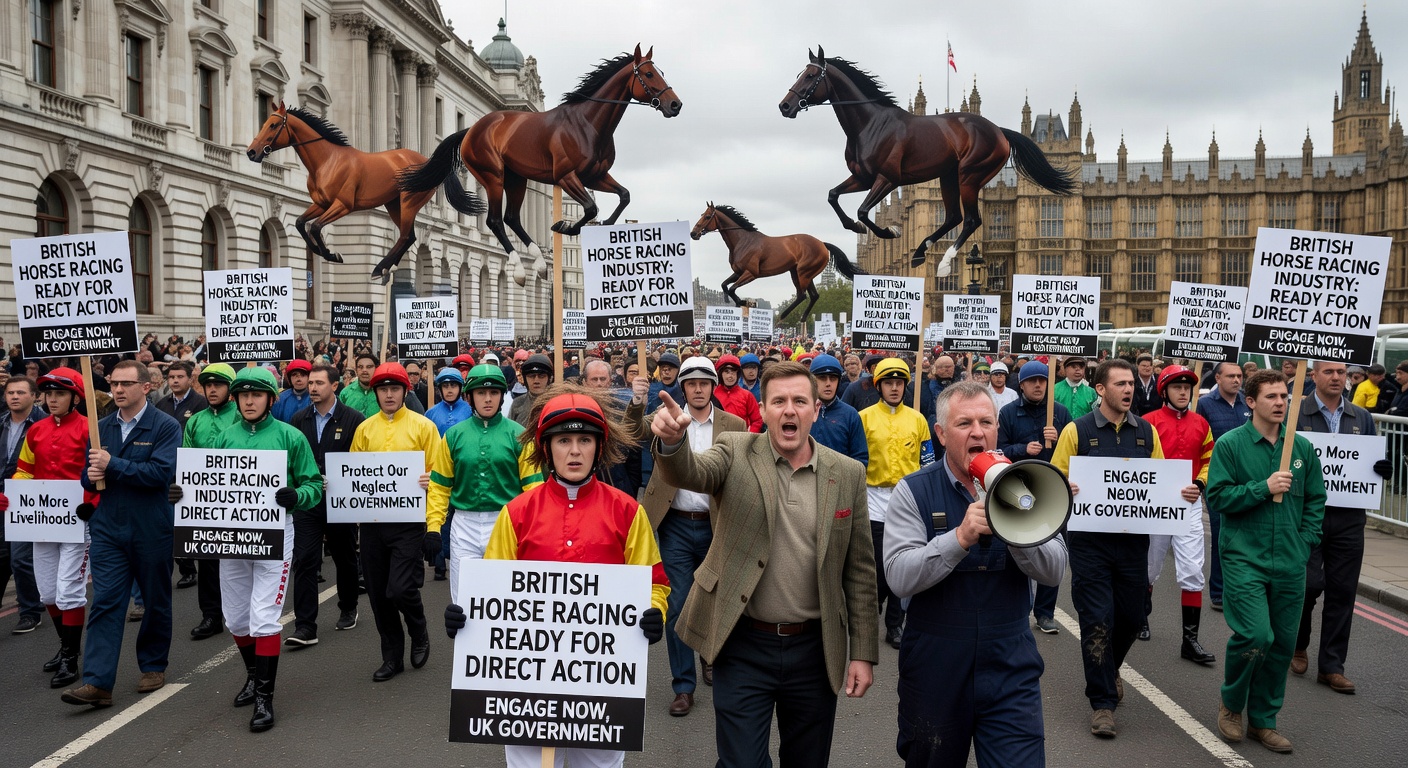
The BHA didn't mince words in responding, labeling the unchanged levy a missed chance to bridge chronic funding shortfalls that threaten the sport's viability; their statement flagged how levy income, even at GBP 108 million, covers just half the forecasted needs for sustainable racing by 2030, with media rights deals stagnating and attendance still spotty post-Covid.
What's significant is the BHA's spotlight on affordability checks—new Gambling Commission rules capping stakes based on punter spending habits—which they predict will dent betting turnover by up to 10%, directly hitting levy pots; early 2026 data from trials already hints at softer volumes on high-frequency bettors who drive racing revenue.
Yet the BHA saves its sharpest barbs for international disparities; in France, for instance, PMU bettors contribute around 12-15% effectively through a mix of levies and takeouts on pari-mutuel pools, fueling prize money that dwarfs UK levels—think euros 20 million races at Longchamp—while Ireland's structure layers a 7.75% levy atop other charges, propping up events like teh Cheltenham Festival with deeper purses.
Global Comparisons Shed Light on the Debate
France stands out in these talks, where the France Galop authority oversees a system blending state-backed PMU monopoly with higher effective rates; data indicates French racing generated over €1.2 billion in 2025 from betting, dwarfing UK figures and enabling global heavyweights like Enable to stay domestic rather than chase British prizes.
Ireland, too, punches above its weight; Horse Racing Ireland reports levy collections nearing €100 million annually, supplemented by a bookmaker right-to-ring levy that captures offshore bets on Irish races; this hybrid approach has kept their industry robust, with exports of talent to UK tracks underscoring the edge.
Closer to home, Australia's model intrigues observers—state-based levies there hover at 8-10% but pair with product fees, yielding AUD 200 million plus for thoroughbred racing; such benchmarks fuel BHA arguments that the UK could modernize without scaring off operators.
Tax Changes and the Quest for Stability
That said, the government's stance ties directly to broader fiscal pressures; recent tax hikes on online gambling—pushing remote gaming duty to 21% from 21% wait, no, adjustments in the 2024 budget raised remote betting margins tax incrementally—have bookmakers crying foul, warning that levy bumps would compound costs and prompt cuts to sponsorships or shop closures.
Murray's announcement stressed stability as paramount, noting how the levy board's forecasts project steady GBP 100-110 million yields through 2027 barring major disruptions; affordability checks, rolled out progressively since 2024, add uncertainty, but early March 2026 pilots show compliance without catastrophic drops, per industry trackers.
People who've studied levy history recall past tweaks—like the 2017 offshore levy flop that nabbed just pennies—highlighting why ministers favor caution; instead, the review floated media rights reforms, urging racecourses to negotiate harder with broadcasters for bigger shares.
Potential Ripple Effects Across Racing
Now, as March 2026 unfolds with Cheltenham looming, stakeholders watch how this plays out; trainers at yards like Nicky Henderson's already voice frustrations over stagnant prizes, which crimp investments in young stock, while racecourses from Newmarket to Ascot lobby for levy hikes to fund digital streaming upgrades that could boost global punter engagement.
The reality is that affordability regimes, designed to curb problem gambling, inadvertently pressure levy-dependent sports; BHA models suggest a 5% rate increase could add GBP 25 million yearly, enough to lift average purses by 15% and stem the talent drain to richer pastures.
Bookmakers counter that they're already stretched, with levy costs passed subtly to customers via tighter odds; yet data from levy returns shows their profits resilient, up 8% last year despite taxes, leaving room for debate on who bears the brunt.
Conclusion
In wrapping this up, the decision to freeze the Horserace Betting Levy at 10% underscores a government prioritizing short-term predictability over bold reforms, even as BHA warnings about shortfalls, international gaps, and regulatory headwinds grow louder; with GBP 108 million banked last year and March 2026 bringing fresh scrutiny, the sport treads a tightrope between tradition and adaptation, where the next review—slated for 2028—holds the real power to reshape fortunes.
Turns out, stability buys time, but racing insiders know the clock's ticking on deeper fixes if British tracks are to hold their own against global rivals; for now, the levy chugs along, funding the thrills that draw crowds, yet leaving questions on whether it's enough to keep the horses galloping strong.