UK High Street Betting Shops See Hundreds of Closures After Recent Budget Adjustments
Written by Sofia Vogel · Aug 13, 2026

UK High Street Betting Shops See Hundreds of Closures After Recent Budget Adjustments
The Betting and Gaming Council has released figures showing more than 540 UK high-street betting shops closed since the previous year’s Budget, and these closures have led to roughly 4,500 job losses across the sector. The data covers a period that extends into August 2026, when operators continued to report reduced viability for many locations amid ongoing cost pressures. Observers note that the latest closures add to an established pattern of contraction that began well before the most recent fiscal measures.
Scale of Recent and Longer-Term Declines
According to the Betting and Gaming Council report, the 540-plus closures since the Budget represent an acceleration of trends already visible since 2019. During that earlier span, operators recorded the loss of approximately 3,000 shops and 15,000 positions. Data indicates that the combined effect has removed more than one in five high-street betting outlets that operated at the start of the decade. Those who have tracked the sector point out that the pace of reduction has varied by region, with urban centres experiencing faster contraction than some rural areas.
Operators Link Closures to Tax and Cost Increases
Industry representatives attribute the latest round of closures directly to rising taxes and operating expenses. The Betting and Gaming Council statement explains that higher business rates, national insurance contributions, and duty obligations have reduced margins at many sites below sustainable levels. And while some operators have attempted to offset these costs through efficiency measures, the cumulative impact has prompted permanent shutdowns rather than temporary adjustments. Research from trade bodies shows similar patterns in other regulated sectors facing comparable tax shifts, although direct comparisons remain limited.
Betfred’s recent announcement of 132 shop closures provides one concrete example within the broader total. The company cited the same combination of tax rises and fixed costs that the Betting and Gaming Council highlighted across multiple operators. Figures reveal that this single decision accounts for a notable share of the 540 closures recorded since the Budget. Those monitoring employment data note that the affected staff joined the 4,500 positions already lost in the same timeframe.
Wider Effects on High Streets and Regulated Markets
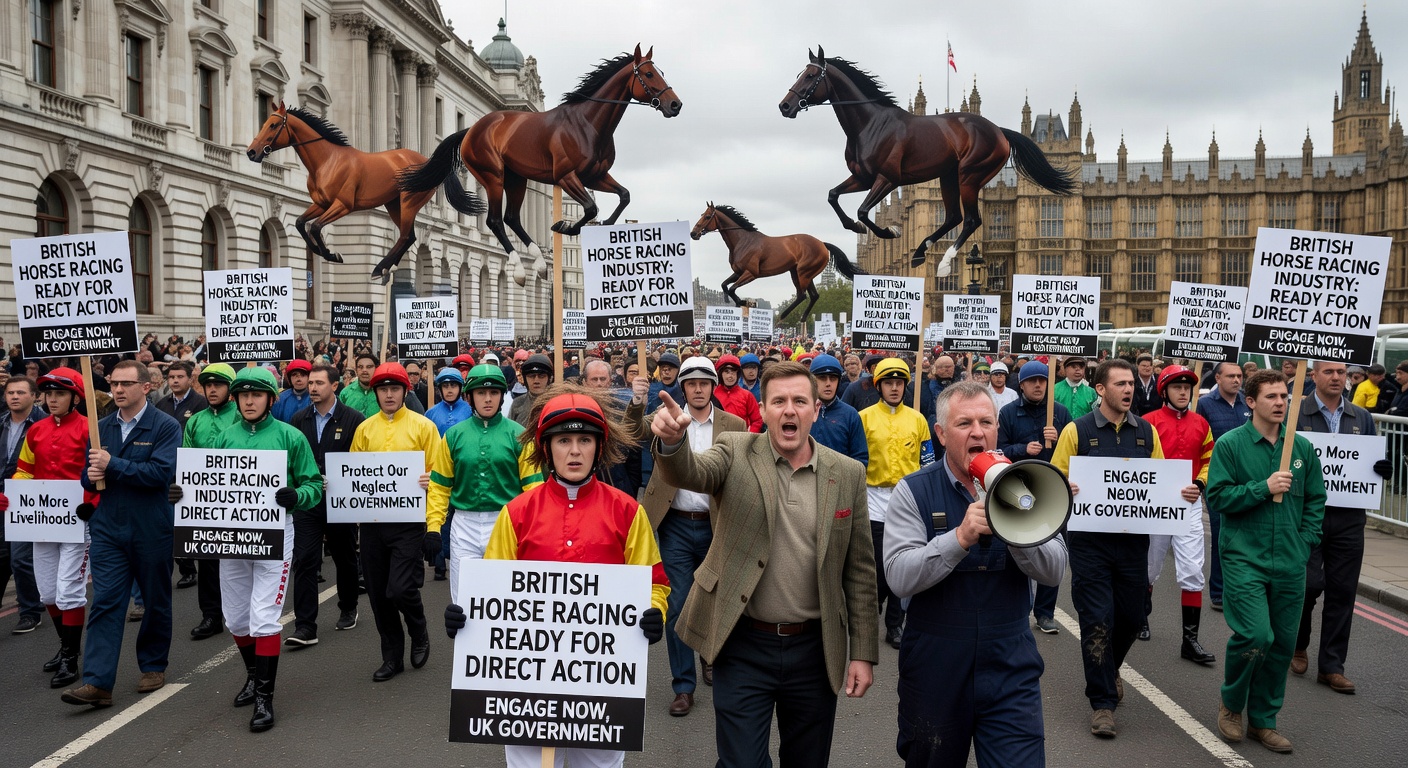
The Betting and Gaming Council warns that continued closures will affect more than direct employment. Local high streets lose footfall when betting shops close, and neighbouring businesses often report reduced customer traffic as a result. Data from the organisation indicates that regulated operators contribute substantial amounts in taxes and levies each year; any further reduction in the number of licensed premises therefore lowers those contributions over time. Experts tracking retail trends have observed parallel effects in other leisure categories facing similar cost environments.
Additional analysis from the Betting and Gaming Council projects that without changes to the current tax framework, operators may announce further closures in the coming months. The report emphasises that each additional round of reductions compounds pressure on remaining staff and on the communities that host the shops. Observers who have followed the sector for several years note that the pattern of consolidation tends to concentrate activity in larger urban sites while smaller locations disappear.
Context Within Broader Economic Pressures
Although the immediate trigger cited by operators is the recent Budget, the longer-term decline since 2019 reflects multiple factors including changing consumer habits and competition from online platforms. The Betting and Gaming Council data separates the post-Budget acceleration from these background trends, yet the combined picture shows steady shrinkage of the physical retail network. Government statistics on retail employment in other categories reveal comparable pressures from rising fixed costs, suggesting the betting sector is not unique in facing these challenges.
Those who have studied the distribution of closures point out that certain chains have been more exposed than others because of their larger high-street footprints. The 540 closures since the Budget therefore represent a mix of single-site decisions and larger portfolio reviews. Data indicates that the resulting 4,500 job losses include both full-time and part-time roles, with the majority occurring in towns and cities outside London.
Conclusion
The Betting and Gaming Council report documents a clear acceleration in high-street betting shop closures since the previous Budget, with more than 540 outlets and 4,500 jobs affected by August 2026. These figures build directly on the longer-term loss of around 3,000 shops and 15,000 positions since 2019. Operators continue to cite tax increases and rising costs as the primary drivers, and the Betting and Gaming Council has flagged potential further effects on employment, high-street vitality, and regulated sector contributions. The data provides a factual snapshot of current conditions without projecting future policy outcomes.