Unified Entry Systems Bridging Secure Transactions and Continuous Aid in Soccer Wagering, Equine Competitions, and Live Dealer Environments
Written by Jordan Schwarz · Aug 23, 2026
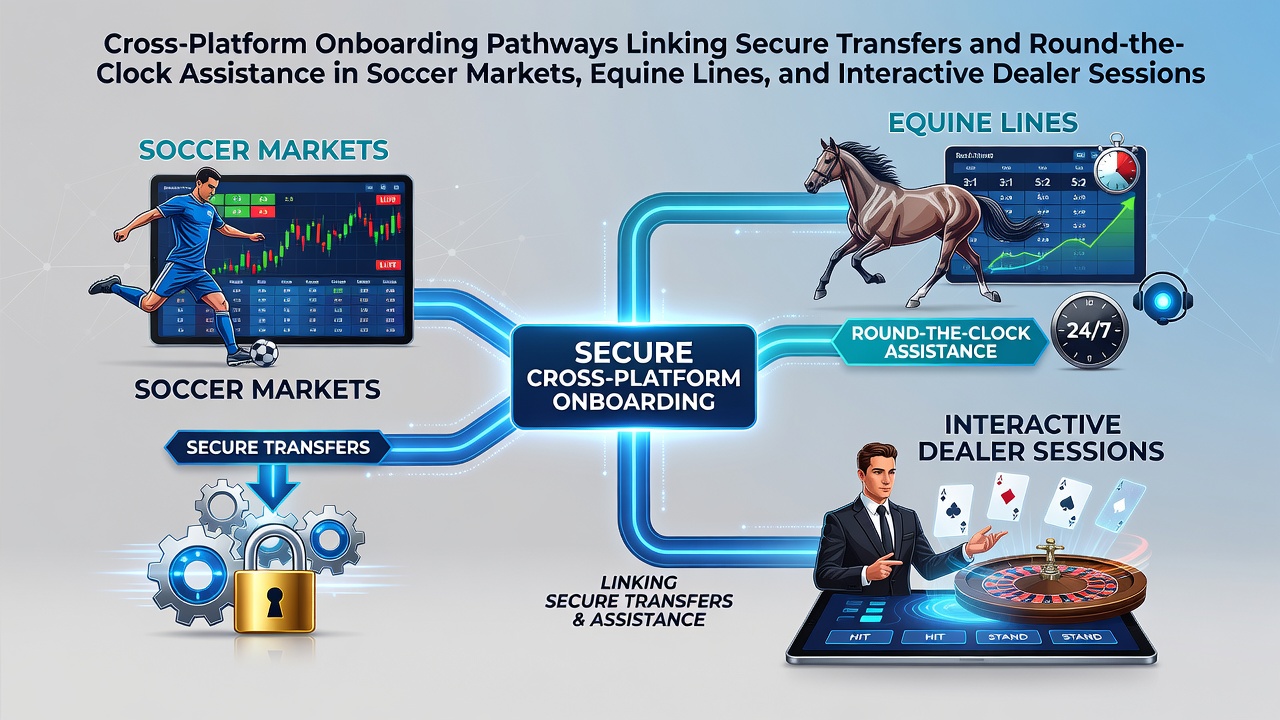
Unified Entry Systems Bridging Secure Transactions and Continuous Aid in Soccer Wagering, Equine Competitions, and Live Dealer Environments
Operators across global betting sectors have developed unified entry systems that connect streamlined registration processes with verified payment channels and ongoing user support, and these frameworks now span soccer markets, equine lines, and interactive dealer sessions as of August 2026. Data from industry analyses show that such pathways reduce friction during initial user setup while maintaining compliance standards in multiple jurisdictions.
Core Components of Cross-Platform Onboarding
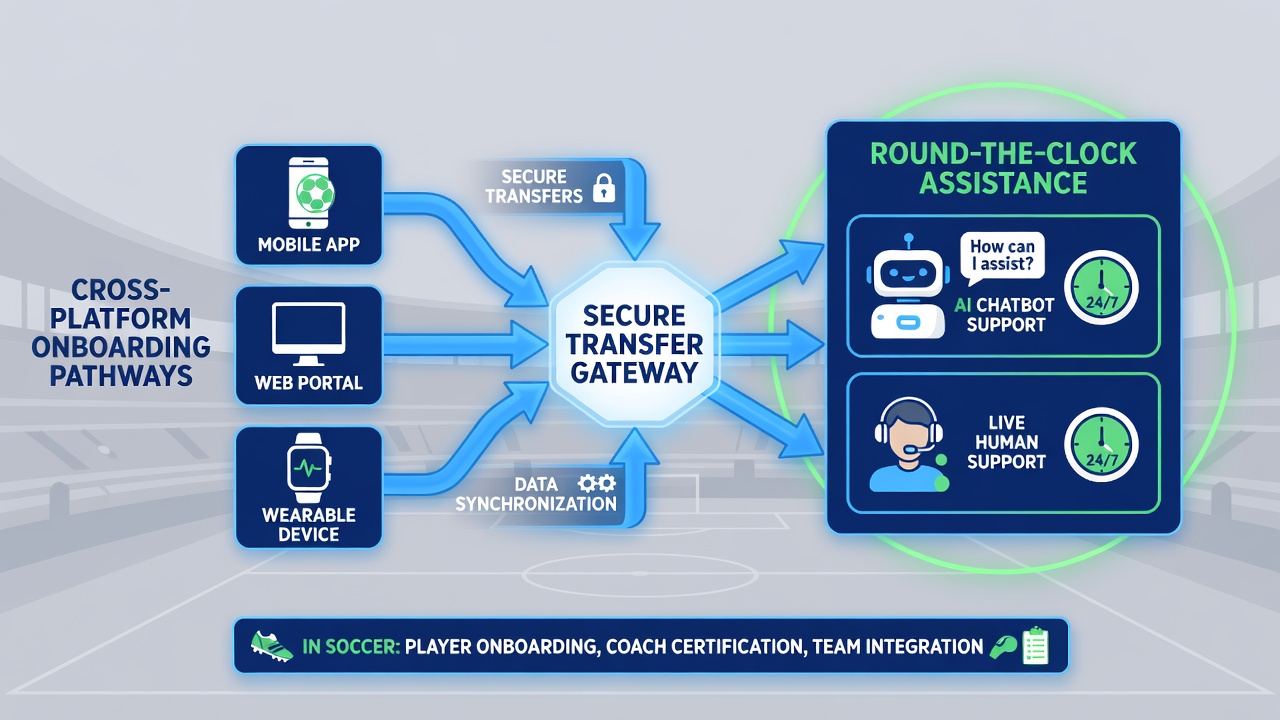
Registration sequences typically begin with identity verification steps that feed directly into payment authorization modules, and this linkage allows users to move from account creation to funded activity without repeated data entry. Observers note that platforms integrate these elements through shared APIs which pull verification results from one stage into the next, while automated checks flag inconsistencies in real time. Researchers at institutions focused on digital commerce have documented how these sequences cut average completion times by linking biometric options or document uploads to banking partners.
Secure Transfer Integration Across Markets
Payment gateways in soccer wagering environments connect to major card networks and digital wallets, whereas equine competition platforms often emphasize bank transfers and regional e-wallets suited to track-side users. Live dealer sessions incorporate the same transfer rails but add session-based limits that adjust based on game type. Figures from regulatory reports indicate that encrypted channels handle the bulk of deposits, and operators route transactions through processors that apply fraud detection at each hop. Those who've examined transaction logs find that cross-platform consistency lets a single verified method serve all three verticals without separate approvals.
Round-the-Clock Assistance Mechanisms
Support channels operate through layered systems that include chat interfaces, email routing, and voice lines staffed across time zones, and these resources activate during onboarding when users encounter verification hurdles or payment queries. Analysts point out that knowledge bases update automatically from common issues reported in soccer, racing, and dealer environments, which reduces escalation rates. External data compiled by teh American Gaming Association highlights how 24-hour coverage correlates with higher retention when assistance ties directly to account setup flows.
Market-Specific Adaptations
Soccer platforms adjust onboarding prompts to accommodate league schedules and live odds feeds, while equine lines incorporate racing calendars and form data during profile completion. Interactive dealer environments route users toward table preferences after payment confirmation, and each vertical shares the same backend support queue. Case examples from operators show that unified dashboards let users toggle between markets without re-authenticating, yet separate compliance layers apply jurisdiction-specific rules for each activity type.
Trends Observed in August 2026
Recent platform updates have emphasized mobile-first pathways that sync transfer confirmations with push notifications to support teams, and usage metrics reveal increased cross-vertical activity once users complete initial setup. Reports from academic studies on digital gambling note that assistance availability during peak hours, such as major soccer fixtures or race meetings, helps maintain flow when transfer delays occur. Platforms continue to refine these connections by incorporating machine learning that predicts user needs based on prior market choices.
Conclusion
Cross-platform onboarding pathways have matured into coordinated systems that link secure transfers with perpetual assistance across soccer, equine, and live dealer sectors, and available records confirm steady adoption through 2026. These structures support operational consistency while addressing distinct requirements in each market through shared technical foundations.